

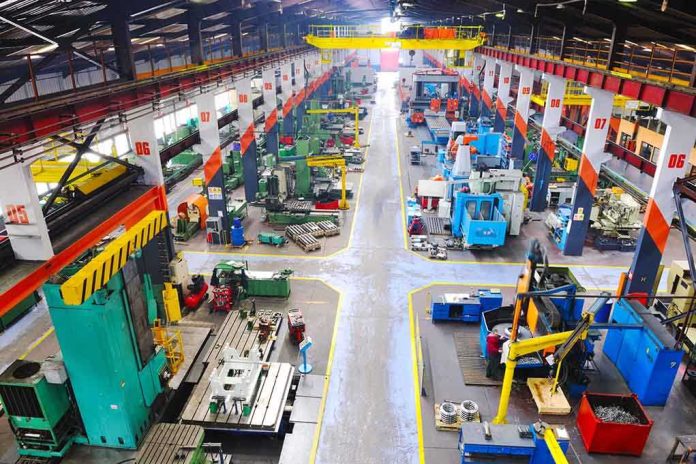
The massive Stargate data center project in Michigan threatens local resources, sparking a fierce backlash from rural communities.
Story Highlights
- Saline, Michigan residents protest the $7-10 billion Stargate data center project.
- The project, backed by OpenAI and Oracle, demands enormous electricity and water resources.
- Michigan regulators approve a key agreement with DTE Energy despite opposition.
- The project faces criticism for transforming rural areas into industrial zones.
Michigan Residents Rally Against Stargate Project
In Saline, Michigan, residents are united in their opposition to the proposed Stargate data center, a $7-10 billion venture by tech giants OpenAI and Oracle. The project, which requires vast amounts of electricity and water, has been labeled “uniquely evil” by locals who fear it will deplete rural resources and disrupt their community. The project has ignited a David-versus-Goliath battle, as residents strive to protect their way of life against powerful corporate interests.
The site’s location in Saline Township was chosen for its rural landscape and proximity to Detroit’s infrastructure, yet the project demands unprecedented utility upgrades. Despite strong public opposition, the Michigan Public Service Commission (MPSC) recently approved an agreement between DTE Energy and the project developers, marking a significant regulatory milestone. This approval advances the project’s power supply arrangements while residents continue to protest the transformation of their rural environment into an industrial hub.
Economic and Environmental Concerns
The Stargate project has been marketed as an economic boon, promising jobs and increased tax revenue. However, the residents of Saline are more concerned about the ecological impact and the potential for increased utility bills. The data center’s massive demands on electricity and water resources could strain the local grid, risking blackouts and water shortages in the long term. These concerns have fueled anti-AI sentiment and debates over the sustainability of such projects in energy-constrained states.
Michigan residents are not alone in their struggle. Similar battles over data centers have been waged in Virginia and Ohio, where communities have successfully halted projects due to environmental concerns. The Saline case underscores the growing tension between technological expansion and community preservation, as grassroots movements across the nation challenge the unchecked growth of AI infrastructure.
Future Implications and Broader Impact
As developers plan to commence construction in 2026, the Stargate project serves as a flashpoint in the broader debate over AI infrastructure. Critics argue that such data centers pose a threat to national grids and call for moratoriums to reassess their impact. The approval of the Stargate project by Michigan regulators suggests a prioritization of economic growth over environmental sustainability, a decision that may set a precedent for future data center developments.
The power dynamics at play highlight the influence of tech giants in shaping regional development, often at the expense of local communities. As Saline residents continue their fight, their story resonates with others facing similar challenges, making it a pivotal moment in the ongoing discourse on AI and its implications for society.
Sources:
The real race for an AI moratorium: Stopping data centers
Saline data center DTE Energy MPSC approval OpenAI Oracle