A promised “hours away” peace deal with Iran now hangs in the balance as Israeli strikes threaten to blow up fragile progress and test Trump’s America First strategy in the Middle East.
Story Snapshot
- Trump says a United States–Iran peace deal is “largely negotiated” and could be signed within hours or days.
- Iranian media leaks and Israeli strikes in Lebanon are now putting the timeline and terms under pressure.
- The draft focuses on ending the war and reopening the Strait of Hormuz without a new nuclear agreement.[1]
- Conservatives face a tough question: how to back peace with Iran while standing firm with Israel and U.S. strength.
Trump Pushes an Imminent Peace Deal With Iran
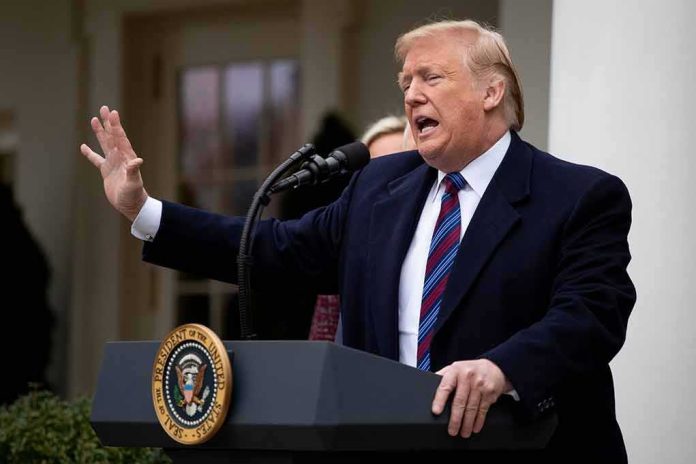
President Donald Trump has told Americans that a peace deal with Iran is already “largely negotiated” and close to signing, saying the documents are in final shape and that only last details remain.[1] In a Truth Social post, he said the agreement would reopen the vital Strait of Hormuz “immediately” after signing and bring a formal end to the United States–Iran war, with talk of a signing ceremony as early as Sunday, tied to his eightieth birthday.[2] Supporters see this as proof that strength and pressure, not appeasement, can bring a hostile regime to the table.[3]
Reports describe the current text as a memorandum of understanding, not yet a full treaty, laying out a framework for peace and shipping guarantees rather than a deep reset of relations.[1] Trump’s team has stressed that there is no new nuclear deal that rewards Tehran, and that sanctions and pressure tools stay in place if Iran cheats or backtracks.[1][4] This fits his long promise to get a “better deal” than past globalist agreements, by forcing Iran to change behavior on terror and regional attacks before offering real relief.
Israeli Strikes and Iranian Leaks Threaten the Timeline
As the deal neared the finish line, Israel carried out strikes on targets in southern Beirut tied to Iran-backed forces, raising fears that the shooting war could wreck the diplomatic track at the last minute. Trump publicly criticized Israel’s timing, warning on social media that more attacks by any side could “blow” the peace deal and sink a rare chance to calm the region. This sharp message surprised many conservatives, who are used to Trump giving strong backing to Israel’s right to defend itself against rockets and terror.
The White House also faced a new problem when Iranian state media began leaking alleged terms of the draft agreement, painting a picture that made Tehran look like the winner.[1] Iranian outlets claimed there would be no new nuclear commitments, that Iran would keep its tight control of the Strait of Hormuz, that the United States would push to end Israel’s war in Lebanon, and that frozen Iranian assets would be released quickly.[1] Trump blasted the leaks as false, saying the terms “have NOTHING to do” with what was agreed in writing and calling the Iranian side “very dishonorable people to deal with.”[1]
What Is Really in the Deal — And What Is Not
Coverage by American networks says the draft is focused on three core issues: stopping direct fighting between the United States and Iran, reopening the Strait of Hormuz to global shipping, and setting steps toward a wider cease-fire across the region.[2][4] The Strait matters because almost a fifth of the world’s oil moves through that narrow waterway, meaning American families feel any closure in gas and energy prices at home.[1] Trump’s promise that “the Hormuz Strait is OPEN TO ALL” right after signing is aimed at cutting costs for drivers and small businesses that have struggled with high fuel bills.[2]
Trump is so utterly pathetic. He’s still bleating that a peace deal is definitely going to be signed today. Unfortunately, it’s already “tomorrow “ (June 15) in Iran.
And Israel has agreed to nothing. And the actual “deal” that Trump keeps hollering about has also not been…
— James Tepper (@JTep) June 14, 2026
Experts note that the deal does not look like the old 2015 nuclear agreement pushed by global elites, which gave Tehran cash and sanctions relief in exchange for promises it later dodged.[3] Instead, this appears to be a shorter-term peace and shipping pact, leaving the nuclear fight for later, with the United States keeping leverage if Iran continues to arm terror groups or threaten Israel.[1][3] Middle East analysts say such “imminent deal” moments often swing fast, and they caution that fresh rockets, drone attacks, or political games in Tehran could still derail the signing at the last second.[3]
What This Means for Conservatives, Israel, and American Strength
For many conservatives, the heart of the issue is simple: any peace must protect American lives, defend Israel’s right to exist, and avoid another weak agreement that showers Iran with money while it chants “Death to America.” Trump’s message so far is that peace is possible without selling out those principles, because the deal is limited, keeps sanctions power, and uses American strength to force Iran to back down on the battlefield.[1][2] Supporters say this is the opposite of globalist appeasement that ignored Iran’s terror network for years.
At the same time, Israel’s strikes in Beirut remind everyone that our closest ally in the region faces real threats on its borders every day, often backed directly by Iran. Trump’s warning to Israel not to “blow” the deal shows how hard it is to hold both lines at once: guarding Israel’s security while stopping an endless cycle of war that drags in American troops and tax dollars. For now, the path forward will show whether tough, America First diplomacy can lock in a real peace, or whether rockets and leaks will again break a deal that was “just hours away.”[3]
Sources:
[1] Web – Trump says an Iran peace deal could be signed “in a matter of hours” — …
[2] Web – Trump says deal with Iran, including opening Strait of …
[3] YouTube – Trump Announces Historic Iran Peace Deal
[4] YouTube – Unclear if U.S.-Iran peace deal will be signed Sunday …