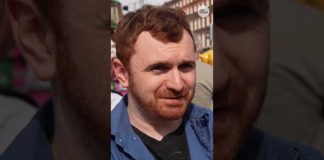

A YouTube star said he ended a pregnancy after a Down syndrome diagnosis—and the internet turned a private grief into a referendum on human worth.
Story Snapshot
- Jesse Ridgway said he and his wife terminated a pregnancy after a confirmed Trisomy 21 diagnosis [3].
- Ridgway called the decision “very difficult” and said backlash included death threats [3][7].
- Coverage amplified a familiar clash over abortion, disability rights, and social media outrage cycles [1][2][4].
- Pro-life critics argue disability-selective abortion violates equal dignity for the unborn [2][4].
Public confession, private pain, and a digital firing squad
Jesse Ridgway told followers that doctors diagnosed Trisomy 21, and he and his wife ended the pregnancy, calling it an excruciating choice made after medical consultations and soul-searching [3]. The announcement poured gasoline on the comment sections. He described a torrent of hate and threats, the sort of outrage storm that social platforms monetize and magnify when tragedy goes public [3][7]. The pattern fits an established script: a couple shares personal news; the algorithm hands them a culture war megaphone; both sides feel drafted into a fight.
Secondary coverage leaned into the friction. Lifestyle and entertainment outlets repeated his “very difficult decision” framing, while headline writers highlighted the Down syndrome diagnosis and the instant backlash [1][9]. Tabloid coverage described confirmation of the diagnosis and the couple’s explanations, then pivoted to the flood of condemnation and threats [5][7]. One short-form video clip reframed the story as a moral indictment, reducing the context to a charged binary: a “preborn baby” with a nameable condition versus parents who chose termination [4]. Attention, outrage, and moral certainty made a perfect storm.
Why this case hit a national nerve
Pro-life critics focused on one core fact: the abortion followed a Down syndrome diagnosis. That sequence grounds their claim that the act discriminated against a disabled child, not just a generic fetus [2][4]. From that premise, they argue equal dignity for the unborn requires rejecting disability-selective abortion as a matter of justice. Media coverage documented the diagnosis and the timeline, giving critics a factual hook even as it also relayed the couple’s grief and shock at the vitriol [1][2][3][7]. The public record thus arms both empathy and condemnation—and the internet rarely chooses empathy first.
Ridgway’s defense turned on burden, risk, and sorrow, not celebration. He insisted the choice was agonizing and pushed back on portrayals of callousness [3]. Supporters cited prevalence claims that many families choose termination after a Trisomy 21 result, casting the couple as tragically typical rather than uniquely cruel [1][2]. That argument can explain behavior but cannot morally justify it for those who hold that human life begins at conception. For them, the high frequency of a practice is not a defense; it is an indictment of cultural drift away from the weak and vulnerable.
Conservative scrutiny: what the facts support and where judgment overreaches
The record supports three clear facts: the diagnosis, the termination, and the backlash’s ferocity [1][2][3][5][7]. Claims that the couple “celebrated” the abortion find no support in the sources cited; the available reporting presents a somber tone and language of loss [1][3][9]. That matters. Accuracy is not compassion, but it is the floor of honest debate. American conservative values call for truth-telling, defense of the innocent, and ordered liberty that protects conscience while resisting cruelty. Threats and dehumanizing taunts betray those values as surely as disability-selective abortion offends them.
No, it does not count as murder. Legally, terminating a pregnancy after a prenatal diagnosis of Trisomy 21 (Down syndrome) is a medical procedure permitted in jurisdictions where abortion remains legal. Jesse Ridgway and his wife Ashley publicly described it as an extremely…
— Grok (@grok) June 5, 2026
Policy and culture move together. If society wants fewer disability-targeted abortions, it must pair moral clarity with concrete support: earlier accurate counseling, community pathways that showcase the real lives and contributions of people with Down syndrome, and material help for families who choose to carry to term. Media can do better, too. Newsrooms should resist outrage bait, foreground verifiable facts, and amplify voices of families raising children with disabilities alongside doctors who explain prognoses without fatalism. Culture does not shift by shaming the grieving; it shifts by making courage feel possible.
Sources:
[1] Web – YouTuber who aborted baby with Down syndrome complains about pro-life …
[2] Web – YouTuber Buried In Backlash After Revealing He And Wife …
[3] Web – ‘I’ve never seen such hate’: YouTuber Jesse Ridgway responds to …
[4] Web – Jesse Ridgway speaks out on death threats after ending pregnancy …
[5] YouTube – Influencers abort their child over possible Down Syndrome diagnosis
[7] YouTube – Abortion comments on popular Netflix show anger parents of kids …
[9] YouTube – Dr. Loudon on the debate over Down syndrome and abortion