A new FCC policy aims to rebalance the media landscape, sparking hope among conservatives and concern among mainstream media giants.
Story Highlights
- The FCC, under Chairman Brendan Carr, is working to repeal outdated broadcast ownership rules.
- President Trump’s administration targets Big Tech and mainstream media through antitrust and anti-censorship actions.
- Local broadcasters could gain more power to compete with Big Tech platforms.
- Critics argue these moves could lead to conservative media dominance.
FCC’s New Direction Under Trump Administration
In 2025, the FCC, led by Chairman Brendan Carr, is focusing on repealing 1940s-era broadcast ownership rules. These rules have long restricted the consolidation of local stations, favoring platforms like YouTube and NBC. The Trump administration sees this move as a necessary step to empower local broadcasters and curb the influence of Big Tech, which has been accused of imposing a biased agenda on American audiences.
This deregulation effort is part of a broader strategy by President Trump to counteract what many conservatives view as a liberal media monopoly. By enabling local TV news stations to consolidate and gain strength, the administration hopes to create a more balanced and competitive media landscape that better reflects conservative values.
Antitrust Actions Against Big Tech
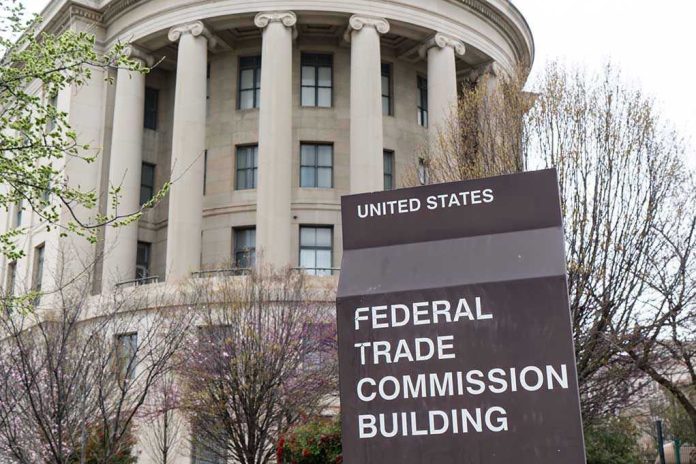
Concurrently, the Department of Justice has launched antitrust actions against major tech companies like Google. These actions aim to dismantle perceived monopolistic practices that have stifled competition and favored a narrow set of values. The Federal Trade Commission is also pursuing measures against social media platforms accused of censoring conservative voices, further aligning with the administration’s commitment to free speech and diverse viewpoints.
Critics, however, argue that these moves are an attempt to intimidate and control media narratives. Mainstream media outlets express concern that the FCC’s policy changes could lead to a conservative-dominated media environment, undermining diverse perspectives and journalistic independence.
Potential Impacts and Industry Reactions
Should these reforms proceed unchallenged, local broadcasters stand to gain significantly, potentially transforming the media landscape. This shift could lead to increased competition, lower costs, and a greater diversity of content available to consumers. However, there is also the risk of heightened polarization as media entities align more closely with partisan narratives.
While the FCC’s initiatives have been met with support from Trump allies and conservative media advocates, legal challenges are anticipated. The Supreme Court’s recent rulings, such as Loper Bright, which limits agency deference, could play a crucial role in the future of these regulatory changes.
Sources:
MIKE DAVIS: How the FCC can help President Trump rebalance the media
Working with the New Administration Webinar Slides
Congressional Event Transcript
Trump’s Regulatory Housecleaning Won’t Be Easy