

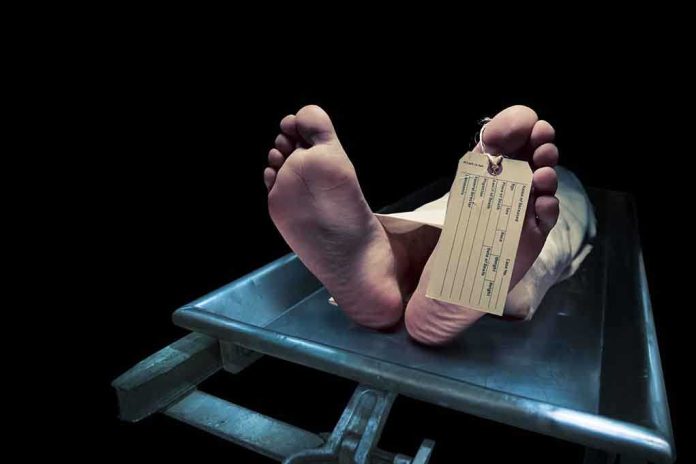
A once‑in‑a‑lifetime kidney transplant turned into a deadly rabies nightmare after a donor’s skunk scratch slipped through the system that was supposed to protect patients.
Story Snapshot
- A Michigan man died from rabies weeks after a kidney transplant from a donor scratched by a skunk.
- CDC investigators traced the infection to the donated organ and launched a multi‑state probe.
- The case exposes dangerous gaps in donor screening when wildlife encounters and brain illness are ignored.
- Hundreds of Americans needed evaluation and rabies shots because one warning sign was missed.
How A Life‑Saving Transplant Became A Fatal Rabies Case
A Michigan man battling end‑stage kidney disease finally got the call so many desperate families wait for: a deceased‑donor kidney was available at the University of Toledo Medical Center in late 2024. The surgery went as planned, and for several weeks his new kidney appeared to be working. Roughly 51 days later, everything unraveled. He developed fever, confusion, and agitation, was hospitalized in Ohio, rapidly declined, and died in January 2025. Only afterward did testing reveal the killer: rabies from the transplanted organ.
Doctors were stunned because the recipient had no known animal bites or obvious rabies exposure in Michigan. That forced investigators to look upstream to the donor himself. The donor had suffered an unexplained brain illness and was declared brain‑dead late in 2024. Hidden in the donor’s risk interview was a detail that suddenly mattered: several weeks before his collapse, he had been scratched by a skunk while trying to save a kitten. No one had given him rabies shots.
What Investigators Found When They Looked Closer
Once clinicians saw that skunk scratch in the donor record and matched it with the recipient’s neurologic symptoms, they alerted public‑health authorities and the CDC. Samples from the recipient were rushed to CDC labs, where testing confirmed rabies infection. Investigators then examined preserved tissue from the donor and found rabies virus genetic material in the donor’s kidney, proving organ‑derived transmission. Three people who had received the donor’s corneas had their grafts removed, were given full post‑exposure treatment, and did not develop disease.
Because rabies is almost always fatal once symptoms appear, health officials moved fast to protect everyone else who might have been exposed. Across several states, public‑health teams tracked down 370 people who had contact with either the donor or the transplant recipient, from hospital staff to family and community contacts. Hundreds were evaluated, and 46 ultimately received rabies post‑exposure prophylaxis—vaccine plus immune globulin—to prevent additional deaths. No further human cases from this donor have been reported, but the scope of the response shows how one missed wildlife exposure can ripple through the system.
What This Says About Our Health System And Risk
Rabies today is rare in the United States, with fewer than ten human cases a year, mostly tied to bats. That rarity is exactly why it so often falls off the diagnostic radar. Organ donors with sudden brain failure are frequently assumed to have other causes—autoimmune disease, toxins, or other infections—and there is only a brief window to evaluate them before organs must be recovered. Rabies testing is not routine; it is supposed to be ordered when history and symptoms raise red flags, including recent contact with wild animals that can carry the virus.
This tragic case reveals how that safeguard can fail when bureaucratic checklists replace judgment. The donor risk interview captured the skunk scratch, but without strong clinical suspicion, it did not trigger rabies testing before organs were taken. After earlier transplant‑linked rabies episodes in 2004 and 2013, federal guidance already urged special caution when donors present with unexplained brain inflammation and possible animal exposure. Yet time pressure, low expectations of rabies, and reliance on standard protocols meant a preventable infection slipped through, costing a patient his life and forcing dozens more into urgent treatment.
Lessons For Patients, Providers, And Policy In The Trump Era
For families waiting on transplant lists, this story can sound terrifying. Transplant experts stress that organ‑derived rabies remains extraordinarily rare and that, for most patients, the benefits of transplantation far outweigh the risks. That is true. But rarity does not excuse avoidable errors. When a donor has recent contact with a skunk, bat, raccoon, or similar animal and then develops sudden, unexplained brain failure, common‑sense medicine says you pause and investigate, even if the odds seem low and the clock is ticking on organ viability.
Conservative readers know that bloated, one‑size‑fits‑all systems tend to leave ordinary people exposed while bureaucrats protect themselves with paperwork. This case underlines the need for targeted, high‑value screening rather than more mindless regulation: empower front‑line doctors to pull the brake when wildlife exposure and brain disease coincide, support rapid rabies testing tools where they actually add safety, and insist on real accountability when known warning signs are overlooked. Americans deserve a health system that uses judgment, not just forms, when lives are on the line.
Sources:
CDC: Rabies Transmitted Through Organ Transplant in U.S.
Silent Infection: The Rare Risk of Rabies Transmission From Organ Transplantation
Rabies Kills Michigan Man After Kidney Transplant; Donor Had Skunk Scratch, CDC Says
Two Deaths Linked to Rabies-Infected Kidney Transplant