
The Trump administration’s latest decision to extend the operation of an aging Colorado coal plant raises eyebrows, challenging state environmental goals and risking increased costs for taxpayers.
Story Highlights
- Trump’s federal intervention overrides Colorado’s clean energy plans.
- Emergency order issued to keep Craig Station Unit 1 operational.
- Decision challenges state policies, inciting legal battles.
- Costly repairs needed for the non-operational plant.
Federal Intervention Challenges State Energy Goals
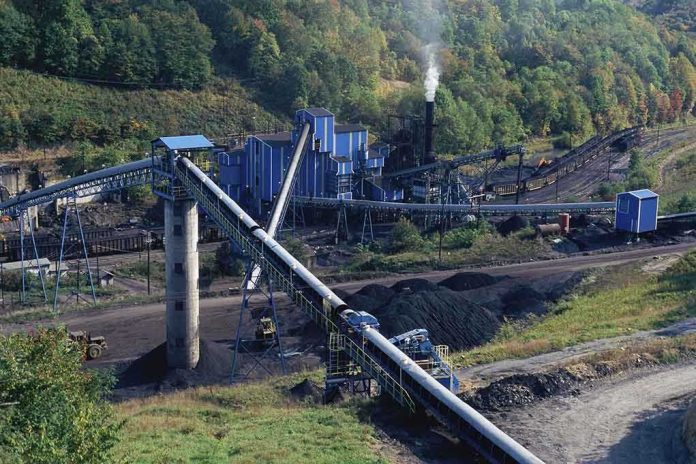
On December 31, 2025, the U.S. Department of Energy issued an emergency order requiring Craig Station Unit 1 in Moffat County, Colorado, to remain operational through March 30, 2026. This move by the Trump administration, invoking Section 202(c) of the Federal Power Act, marks the sixth such intervention this year, prioritizing energy security and coal industry support over state-approved clean energy transitions.
This decision directly contradicts Colorado’s strategy to phase out coal power and transition to renewable energy sources. The state’s Public Utilities Commission had approved the closure of Craig Unit 1, stating it was unnecessary for grid reliability, yet federal authorities claim emerging capacity shortages justify the order.
Economic and Environmental Concerns Arise
The emergency order requires costly repairs to bring the non-operational plant back online, with expenses expected to be passed on to rural ratepayers already facing economic challenges. Critics, including Colorado Governor Jared Polis, argue these costs are unnecessary, given the plant’s lack of impact on grid reliability as assessed by the Colorado Public Utilities Commission and the North American Electric Reliability Corp.
Environmental groups, like Earthjustice and the Sierra Club, have voiced strong opposition, citing the order’s potential to undermine clean air initiatives and exacerbate local air quality issues. They argue the administration’s actions are ideologically driven, rather than based on factual grid needs, and have indicated plans to legally challenge the order.
Political and Policy Implications
This federal override of state policy sets a precedent for increased government intervention in state-level energy planning. With this being the sixth such order in 2026 alone, the Trump administration’s approach contrasts sharply with efforts to promote renewable energy. U.S. Rep. Jeff Hurd, representing coal-dependent communities, supports the order, highlighting the tensions between local economic interests and broader environmental goals.
As the debate continues, the implications for Colorado’s energy future remain uncertain. Stakeholders on both sides prepare for a potential legal battle that could shape the landscape of environmental policy and energy security for years to come.
Sources:
Trump Administration Orders Aging Colorado Coal Plant to Stay Open
Craig Station Emergency Order: Coal Power in Colorado
Trump Administration’s Sham Coal Plant Order Will Cost Ratepayers, Harm Colorado Communities