A new military operation stirs legal debate as a U.S. strike on a suspected drug-smuggling boat raises questions about adherence to the law of war.
Story Overview
- U.S. forces conducted a controversial strike on a suspected drug-smuggling boat in the Caribbean.
- Lawmakers are alarmed by a video depicting a follow-up strike on survivors in the water.
- Adm. Frank Bradley denies a “kill them all” order, asserting the survivors were legitimate targets.
- Congress demands scrutiny over potential war crime implications and military accountability.
Details of the Controversial Strike
On September 2, U.S. forces executed a missile strike on a suspected cocaine-smuggling vessel in the Caribbean, reportedly killing most onboard. The operation, led by Adm. Frank Bradley, was intended to neutralize narcotics traffickers deemed threats to national security.
However, the decision to follow up with a second strike on survivors in the water has drawn intense scrutiny from lawmakers who argue it may constitute a war crime under international law.
Legal and Ethical Concerns
The legality of the follow-up strike is under question. Adm. Bradley has defended the decision, claiming the survivors were attempting to continue their mission via radio, thus remaining combatants. This stance is challenged by legal experts who emphasize that once shipwrecked, individuals should be protected under the law of armed conflict unless they pose an imminent threat.
In closed-door briefings, some lawmakers emerged visibly disturbed, with Rep. Jim Himes describing the footage as one of the most troubling things he has seen. The situation underscores the tension between aggressive counter-narcotics strategies and adherence to international humanitarian norms.
Political and Military Accountability
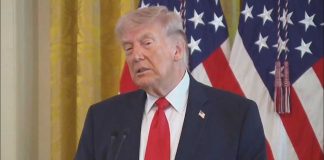
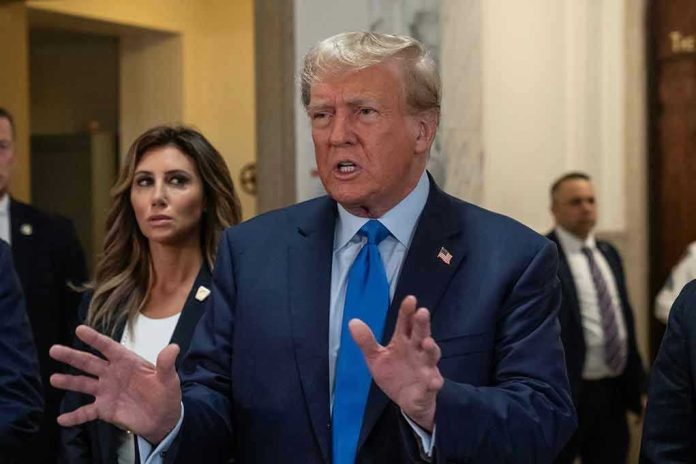
The controversy extends to the higher echelons of command, with Secretary of Defense Pete Hegseth denying issuing an unlawful “kill them all” directive but defending the operation’s outcome. President Trump has also supported the strikes, framing them as necessary in the broader “war” against narcotics traffickers. As the debate unfolds, Congress is poised to further investigate, potentially leading to public hearings and legal reviews.
Admiral says there was no 'kill them all' order in boat attack, but video alarms lawmakers. The Admiral, regardless if an order given or not, is 21 & white, knows right from wrong, and the rules of engagement, needs to be held on Murder charges! https://t.co/kwON9jUDjo
— Carolyn Hauberg (@BlueBell11111) December 5, 2025
In the meantime, the Pentagon’s rules of engagement and the political rhetoric surrounding drug interdiction missions are under intense scrutiny. The case highlights the delicate balance between national security imperatives and ethical military conduct.