The recent U.S. sanctions on Venezuelan oil shipments have intensified tensions, bringing the two countries closer to a potential conflict.
Story Highlights
- The U.S. has ramped up naval and air deployments near Venezuela, citing “counter-narcotics” missions.
- Venezuela sees these actions as violations of its sovereignty, escalating the risk of confrontation.
- The Trump administration remains firm on sanctions and regime-change objectives.
- Geopolitical tensions involve key players like Russia, China, and Iran supporting Venezuela.
U.S. Naval and Air Deployments Increase Tensions
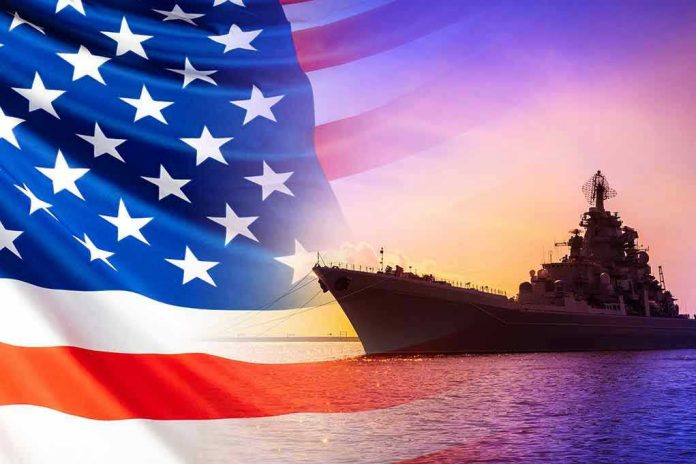
In a move that has raised eyebrows across the globe, the United States has significantly increased its naval and air presence around Venezuela. This action is officially being conducted under the guise of “counter-narcotics” operations and sanctions enforcement. However, the result is a heightened state of alert, with Venezuelan forces viewing this as a direct threat to their sovereignty. As Washington continues to reject Nicolás Maduro’s presidency, the risk of miscommunication or accidental conflict is becoming more pronounced.
Economic Sanctions and Oil Seizures
The U.S. has imposed severe economic sanctions on Venezuela, targeting its vital oil exports. These sanctions have been accompanied by the interception and seizure of oil tankers linked to Venezuela, further straining relations. Six Venezuelan ships were recently sanctioned, with one vessel seized for allegedly violating U.S. sanctions. Such measures are intended to financially cripple Maduro’s government, but they also contribute to the risk of regional instability and economic collapse in Venezuela.
Venezuela, relying heavily on its oil exports to sustain its economy, views these actions as acts of economic warfare. The regime’s survival now depends on finding new ways to circumvent these sanctions, potentially leaning on allies such as Russia and China for support. This geopolitical dynamic introduces further complexity, as these nations have vested interests in countering U.S. influence in the region.
Geopolitical Implications and Regional Response
The involvement of global powers like Russia, China, and Iran in supporting Venezuela adds a significant layer to the unfolding situation. These countries have provided economic and military support to Caracas, challenging the United States’ ability to enforce its sanctions regime effectively. As the tensions rise, regional players such as Colombia and Guyana are also drawn into the fray, balancing their geopolitical interests with the need to maintain stability.
The U.S.’s strategic goal of preventing the establishment of a Russian-Chinese-Iranian stronghold in Latin America is evident. However, the potential for miscalculation remains a concern, with the risk that any naval or air incident could escalate into a broader conflict. As the situation develops, the international community watches closely, aware that the implications of this standoff extend far beyond the Caribbean.
Sources:
Mapping U.S. Military Buildup Near Venezuela