A new policy change signals a victory for cannabis advocates, shifting marijuana to Schedule III under federal law while leaving fentanyl’s classification unchanged.
Story Snapshot
- Marijuana rescheduled to Schedule III by executive order from President Trump.
- No evidence or confirmation of fentanyl being declared a Weapon of Mass Destruction.
- Rescheduling could lead to significant economic benefits for the cannabis industry.
- Fentanyl remains a Schedule II drug, not a WMD.
Marijuana Rescheduling Accelerated
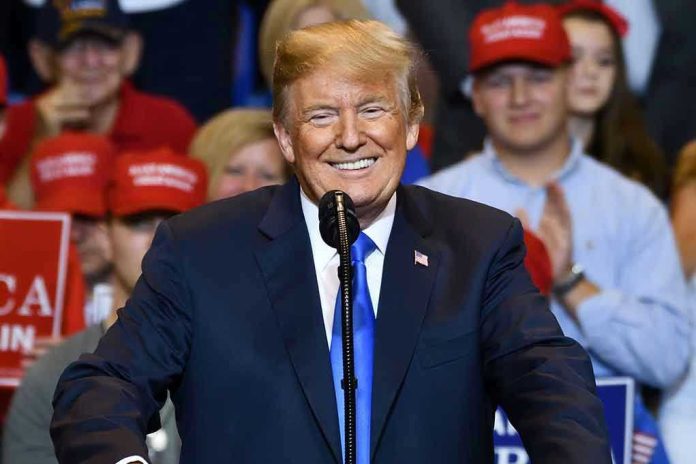
On December 18, 2025, President Trump signed an executive order to expedite the rescheduling of marijuana from Schedule I to Schedule III. This move aims to facilitate medical access and resolve ongoing delays in the Drug Enforcement Administration’s (DEA) rulemaking process. The decision marks a significant shift from previous federal policies that restricted cannabis research and penalized state-legal operations financially.
The executive order directs the Attorney General to finalize this transfer as quickly as possible, potentially ending prohibitive tax measures under Internal Revenue Code Section 280E. This could substantially boost profits for cannabis businesses by allowing standard business deductions, thereby alleviating financial burdens previously imposed on the industry.
Fentanyl’s Classification Unchanged
Despite rumors, fentanyl has not been declared a Weapon of Mass Destruction (WMD). It remains classified as a Schedule II drug, reflecting its high potential for abuse but recognized medical use. The misinformation may have stemmed from conflated discussions around the opioid crisis, but no credible sources or federal actions have confirmed a WMD designation for fentanyl.
This distinction is crucial as it underscores the Trump administration’s focus on cannabis reform rather than drastic reclassification of opioids. The ongoing opioid crisis continues to be addressed through existing legal frameworks without the drastic label of WMD.
Economic and Social Implications
The rescheduling of marijuana to Schedule III is expected to unlock new opportunities for the cannabis industry, particularly in banking and finance. By lifting Schedule I restrictions, businesses can access banking services, fostering industry growth and enhancing market stability. Analysts predict this change could significantly impact the $30 billion cannabis market, increasing investments and expanding research capabilities.
For patients, the rescheduling enhances access to medical cannabis products, particularly those containing cannabidiol (CBD). This aligns with President Trump’s emphasis on improving patient care and reducing dependence on more harmful substances.
Sources:
Federal Cannabis Rescheduling Creates New Banking Opportunities
Federal Marijuana Rescheduling
Historic Marijuana Rescheduling to Schedule III