A new policy threatens Second Amendment rights, sparking outrage among patriots.
Story Snapshot
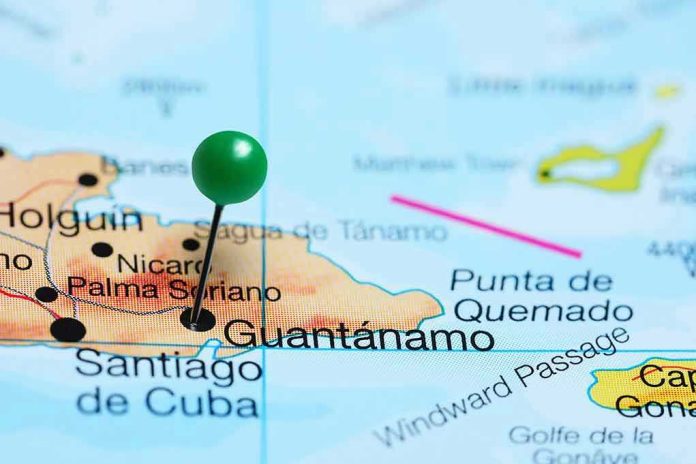
- Cuban President Miguel Díaz-Canel condemned a U.S. military operation in Venezuela.
- No credible reports confirm threats of violence against the U.S. by Díaz-Canel.
- Cuba’s economy is heavily reliant on Venezuelan oil, accounting for 30% of its imports.
- U.S. Secretary of State Marco Rubio labeled Cuba a “huge problem” post-operation.
U.S. Operation in Venezuela Sparks Cuban Condemnation
On January 3, 2026, the U.S. conducted a military operation in Caracas, Venezuela, capturing President Nicolás Maduro and his wife on narco-terrorism charges. This action, part of Operation “Absolute Determination,” was met with condemnation from Cuban President Miguel Díaz-Canel during a rally in Havana, where he labeled the U.S. move as “state terrorism” and a breach of international law. The Cuban government framed the incident as a regional threat, rather than a direct threat to the U.S.
Despite the strong rhetoric from Díaz-Canel, there have been no verified threats of violence against the United States. The narrative focusing on a vow to “give our blood” and make the U.S. “pay a very heavy price” appears to be exaggerated and unsubstantiated. Reports confirmed that the Cuban reaction is primarily centered around solidarity with Venezuela, given their economic ties under the Petrocaribe agreement, which supplies Cuba with subsidized oil, vital for its struggling economy.
Implications for U.S.-Cuba Relations
The U.S. Secretary of State Marco Rubio, in an interview following the operation, remarked that Cuba remains a “huge problem” in the context of regional stability. While President Trump assured there are no immediate plans for military action against Cuba, his administration has signaled increased scrutiny and pressure on Havana. The U.S. rhetoric aligns with its stance against regimes perceived as threats in Latin America, a policy direction consistent with Trump’s second term objectives.
The economic implications for Cuba are severe as it braces for potential disruptions in oil imports due to Venezuela’s instability. The loss of these resources could exacerbate Cuba’s existing crises, including its ongoing economic contraction, power shortages, and inflation. The Cuban government has been quick to blame these issues on U.S. sanctions, which have been a point of contention for decades.
Future Outlook
The situation remains fluid, with Cuba heightening its alerts and the U.S. maintaining a watchful eye on developments in the region. While the potential for military escalation appears low, the diplomatic and economic pressures are likely to persist, influencing Cuba’s domestic policies and its approach to international relations. The ongoing crisis highlights the delicate balance of power in the region and the geopolitical stakes for both the U.S. and its Latin American neighbors.
Cuban citizens, already facing hardships, express concerns over further economic deterioration. The political landscape in Havana remains tense, with the Communist Party seeking to rally support through anti-imperialist rhetoric. As the situation unfolds, the world watches to see how these power dynamics will affect regional stability and global political alliances.
Sources:
Rubio labels Cuba ‘huge problem’ after U.S. move against Venezuela
Concern in Cuba after Venezuela operation
Regional and global reactions to the operation in Venezuela
After Venezuela assault, Trump and Rubio warn Cuba, Mexico, and Colombia could be next