

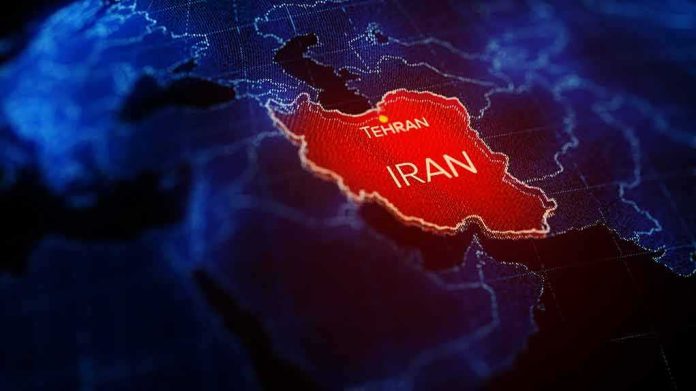
Iran is now insisting the U.S. guarantee calm in Lebanon—and unlock frozen Iranian money—before any new negotiations move forward.
Quick Take
- Iran’s parliament speaker says Lebanon is “inseparable” from a reported two-week Iran–U.S. ceasefire, despite U.S. and Israeli claims to the contrary.
- Tehran is signaling talks are “unreasonable” while Israeli strikes continue in Lebanon and while Iran alleges U.S. violations such as drone incursions and disputes over enrichment rights.
- Iranian leaders are using the Lebanon front to raise the price of diplomacy, linking regional proxy conflict to nuclear and sanctions bargaining.
- Key details of the alleged ceasefire remain disputed publicly, leaving Americans with limited clarity on what exactly each side agreed to.
Iran Ties Lebanon to a Ceasefire the U.S. and Israel Dispute
Mohammad Bagher Ghalibaf, the speaker of Iran’s parliament, said Lebanon is part of a recent two-week ceasefire framework connected to the United States—an assertion U.S. and Israeli officials reportedly reject. Ghalibaf warned that continued violations would carry “explicit costs,” framing ongoing Israeli strikes on Lebanon as evidence the arrangement is being broken. The immediate result is a familiar pattern: Tehran claims the moral high ground while narrowing the path to talks.
Iran’s position matters because it merges two separate tracks that Washington often tries to keep apart: negotiations with Iran and Israel–Hezbollah fighting in Lebanon. When Tehran insists Lebanon is “inseparable” from a U.S.-linked ceasefire, it effectively demands the U.S. deliver outcomes from actors Washington does not directly command. That creates space for Iran to pause diplomacy while blaming the other side for noncompliance, even as the public record on ceasefire terms remains thin.
“Unreasonable” Talks: Iran’s Claimed Violations and Red Lines
Ghalibaf argued negotiations are “unreasonable” unless what Iran describes as key ceasefire clauses are honored, including a halt connected to Lebanon. Reporting also describes Iranian allegations of U.S. drone incursions and disputes over Iran’s uranium enrichment rights as part of the claimed violations. Iran’s president, Masoud Pezeshkian, echoed that continued strikes make negotiations “meaningless,” reinforcing that Tehran’s political leadership is publicly aligned on delaying any renewed engagement.
From a verification standpoint, the central uncertainty is not that Iranian leaders made these statements—they did—but whether the U.S. ever accepted Iran’s interpretation that Lebanon was covered by the same ceasefire package. Without a mutually published text, the “ceasefire” becomes a messaging battlefield rather than a binding roadmap. For Americans watching from afar, that ambiguity should raise a hard question: are diplomacy and enforcement being built on concrete terms, or on narratives designed for leverage?
Frozen Assets and the Leverage Game Behind the Headlines
Separate from the Lebanon linkage, Iran is also pressing for the release of frozen assets as a precondition for moving forward. That demand sits at the heart of sanctions-era bargaining: Tehran wants cash flow and relief up front, while Washington traditionally seeks verifiable constraints first. Conservatives who remember years of stop-and-go Middle East diplomacy will recognize the risk—front-loading concessions can weaken U.S. leverage, especially when Tehran can use proxy conflicts to raise pressure without formally entering a direct war.
Why This Dispute Tests “America First” Diplomacy—and Public Trust
The story lands at a moment when many voters—right and left—believe the federal government struggles to execute clear, enforceable strategy overseas. If a ceasefire’s scope can be publicly contested days after it begins, confidence erodes that officials have locked down terms, partners, and consequences. For the Trump administration and a GOP-controlled Congress, the strategic test is straightforward: protect American personnel and interests, keep commitments explicit, and avoid letting regional actors redefine U.S. obligations after the fact.
BREAKING – Iran speaker demands Lebanon truce, release of frozen assets 'before negotiations' https://t.co/H11U9YNai2 pic.twitter.com/EPpz1LKjwQ
— Insider Paper (@TheInsiderPaper) April 10, 2026
For now, the only solid public takeaway is that Iran is conditioning talks on developments in Lebanon while accusing the U.S. and Israel of breaking an arrangement the other side says does not include Lebanon. That mismatch makes escalation easier and agreement harder. Limited public detail on the ceasefire’s written terms also constrains outside evaluation, meaning Americans should expect more information warfare—and more demands—before any durable negotiating track can resume.
Sources:
Iran parliament speaker says US violated key clauses of proposal, calls talks ‘unreasonable’