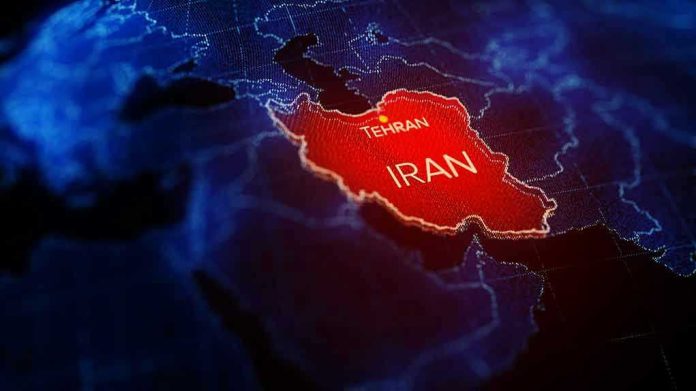
President Trump vows to obliterate Iran’s nuclear program if rebuilt, delivering the strong leadership conservatives demanded after years of weak diplomacy that empowered America’s enemies.
Story Highlights
- Trump issues direct military threats to prevent Iran from rebuilding nuclear and missile capabilities, supporting Israel with unprecedented resolve.
- U.S. and Israeli strikes in June 2025 damaged key Iranian facilities like Fordo, demonstrating credible force against nuclear threats.
- Iran’s economy collapses amid protests, creating a rare window for maximum pressure to force negotiations or face devastation.
- B-2 stealth bombers deployed to signal readiness, rejecting globalist appeasement in favor of American strength and security.
Trump’s Escalating Threats Mark Historic Shift
President Trump warned on January 2, 2026, that if Iran rebuilds its nuclear program without a deal, the U.S. will obliterate it, echoing strikes that already damaged the Fordo enrichment facility on June 22, 2025. This follows Israel’s June 13 attacks on Tehran. Trump uses these threats as leverage in negotiations, stating support for Israeli action against missiles and nuclear sites. Unlike past administrations’ failed JCPOA appeasement, Trump reinstates maximum pressure, prioritizing American security and ally Israel over endless talks. Deployment of B-2 bombers to Diego Garcia in March 2025 underscores military readiness.
Timeline of Diplomatic Pressure and Strikes
On March 7, 2025, Trump sent a letter to Ayatollah Ali Khamenei offering nuclear talks but warning of severe military consequences for defiance. April saw Iran announce new nuclear plants, prompting Trump’s June 10-11 assessment of Iran as more aggressive. White House envoy talks surfaced June 17, yet Iran persisted. U.S. and Israeli strikes followed swiftly. By January 2026, social media threats continue amid Iranian protests. This sequence rejects Biden-era weakness, enforcing red lines with action to protect U.S. interests and prevent nuclear proliferation.
Trump’s approach coordinates with Netanyahu, explicitly backing strikes if Iran advances programs. Iranian counter-threats from Defense Minister Aziz Nasirzadeh target U.S. bases, but Iran’s weakened proxies like Hamas and Hezbollah, plus Syria’s fall, diminish its reach. National Security Adviser Mike Waltz pushes constraining Iran’s cash and oil, aligning with conservative demands for limited government aid to adversaries.
Iran Weakened by Economic Collapse and Losses
Iran’s currency hits record lows as shopkeepers strike over inflation, fueling protests that widen by January 2026. Trump officials see this as a rare opportunity to counter nuclear buildup. Israel’s October 2024 strikes exposed Iran’s aerial vulnerabilities, paving the way for 2025 operations. Trump sets a 60-day deal deadline, maintaining bunker-buster leverage. Khamenei dismisses war talk as propaganda, yet officials threaten retaliation, revealing internal discord.
Locked and Loaded: President Trump Threatens Military Action Against Iran https://t.co/tx8LR5Npgi
— Dallys1515 💋 (@Dallys1515) January 3, 2026
Analyst Karim Taleblu calls Trump’s missile focus historic, noting threats to U.S. forces beyond Israel. Atlantic Council highlights strike feasibility due to Iran’s isolation. Disarmament experts warn of risks, but facts show prior strikes succeeded without escalation. Defense Secretary Pete Hegseth signals readiness, rejecting globalist hesitation for decisive protection of American troops and allies.
Sources:
Fox News: Trump vows to knock hell out of Iran nuclear program if rebuilt
Wikipedia: 2025 Iran–United States negotiations
Atlantic Council: The Iran nuclear talks are Trump’s decisive moment on military strikes
Responsible Statecraft: Trump attack plans Iran
White House: National Security Presidential Memorandum NSPM-2
Wyoming Public Media: Trump and Iran start 2026 exchanging new threats on social media
Los Angeles Times: Trump, top Iranian officials exchange threats over protests roiling Iran