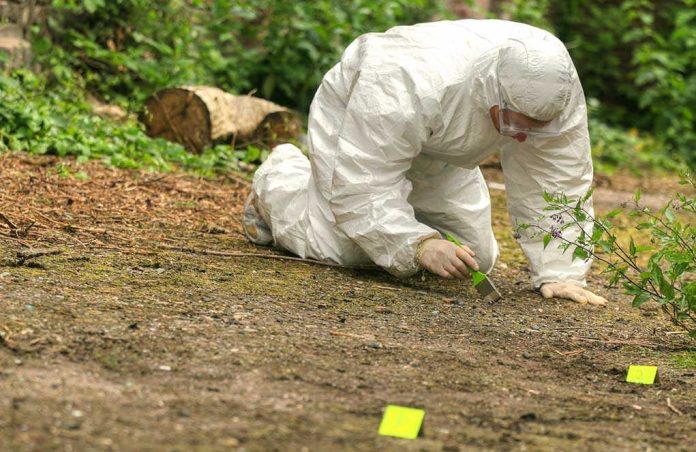
A shocking report on femicide claims over 700 victims in Ciudad Juárez in a single month, raising alarm among human rights advocates.
Story Snapshot
- Over 700 femicide victims reported in Ciudad Juárez in October, an unprecedented claim.
- Historical data shows a consistent pattern of violence since the early 1990s.
- Activists emphasize the systemic failures of government protection and justice.
- International bodies have long criticized Mexico’s response to femicide.
Alarming Claim of Femicide Surge
The recent claim that Ciudad Juárez witnessed over 700 femicide victims in October alone has sent shockwaves through the international community. This figure, if accurate, represents a dramatic escalation in violence against women in the region.
Historically, the femicide crisis in Juárez has been a long-standing issue, with around 500 victims documented over an 18-year period from 1993 to 2011. Such a surge within a single month would mark an unprecedented and deeply concerning development.
While no official confirmation of the 700 figure exists, the claim highlights ongoing systemic issues that have plagued the region for decades. Human rights organizations, including Amnesty International, have consistently criticized the Mexican government’s response to femicide, citing investigation irregularities and victim blaming by authorities. The lack of substantial government action has left families and communities devastated by grief and mistrust.
Historical Context of the Crisis
The femicide phenomenon in Ciudad Juárez gained attention in 1993, when activists like Esther Chavez Cano began documenting murders and disappearances. These efforts uncovered patterns of violence linked to economic and social vulnerabilities, particularly affecting women working in maquiladoras.
Between 1993 and 2003, over 370 women were reported murdered, with significant numbers sexually assaulted or missing. Such historical context paints a grim picture of systemic misogyny and governmental neglect.
For decades, the Mexican government has faced international scrutiny for its handling of femicide cases. The Inter-American Court of Human Rights and the United Nations have both highlighted the Mexican authorities’ failures to protect women and adequately prosecute offenders. The crisis has become emblematic of broader human rights challenges within Mexico, affecting its international reputation and diplomatic relations.
Ongoing Challenges and Activism
Despite international pressure, the violence in Ciudad Juárez continues, with 25 femicide victims reported in 2023. Activists argue that organized crime now obscures femicide cases, complicating efforts to document and address the violence.
Norma Andrade, an activist who has raised awareness on international platforms, recently visited the UN Office in Geneva to discuss the persistent crisis and its ties to organized crime.
Borderland Beat: Violence Against Women in Juárez Surpasses 700 Victims in October Alone https://t.co/pISIre5psJ
— DSP (@DonnaPence5) December 1, 2025
As the world watches, the need for effective action becomes increasingly urgent. The Mexican government must address the systemic issues that allow femicide to persist and prioritize the safety and justice for women in Ciudad Juárez. Without comprehensive reform, the cycle of violence will continue to devastate communities and undermine social stability.
Sources:
Wikipedia (Femicides in Ciudad Juárez)